
Kanazawa University Noto Branch
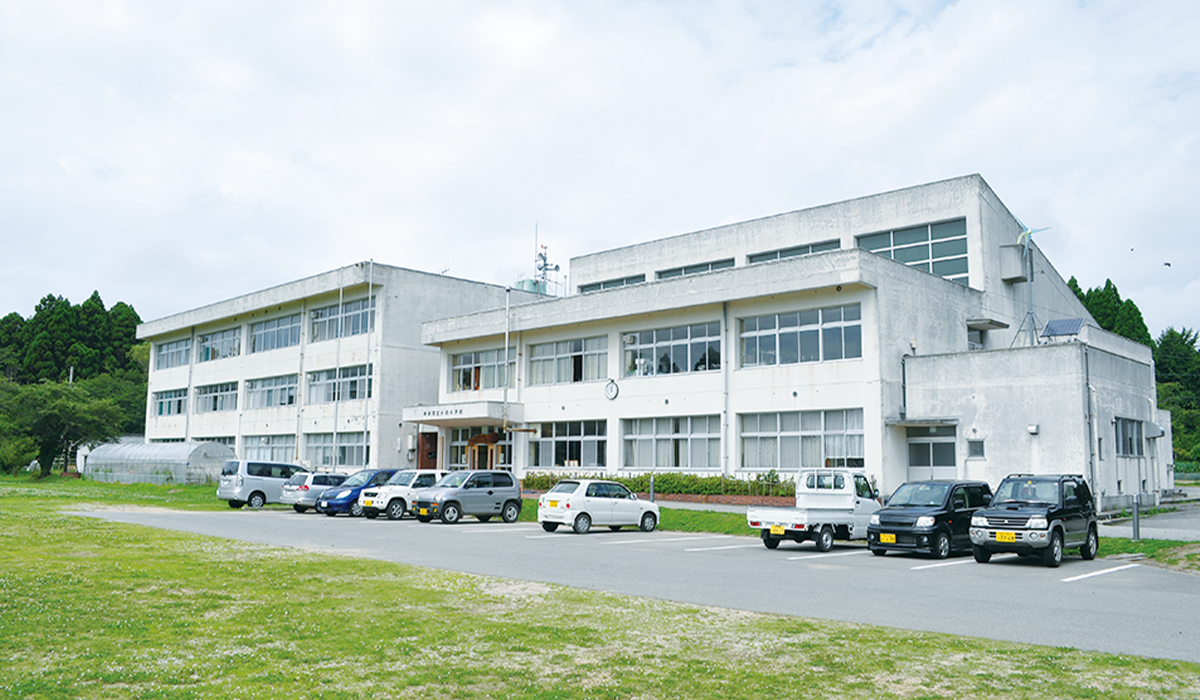
Located in the Okunoto region at the northern tip of the Noto Peninsula, Kanazawa University Noto Branch is a center for human resource development and research that opened in 2006. With the cooperation of the City of Suzu, it operates in the former buildings of Kodomari Elementary School.
At Noto Branch, a wide range of human resource development and research activities are carried out, including research on, conservation of, and awareness-raising related to Notoʼs Satoyama and Satoumi; urban–rural exchange programs; and the development of regional leaders.
In addition, taking advantage of its location at the northern tip of the Noto Peninsula, the site has also been developed as one of the few observation points in Japan for monitoring yellow sand (Asian dust) transported from the Asian continent. It serves as the Kanazawa University Noto Atmospheric Monitoring Observatory (Supersite) (Suzu Observation Station).
| Address | 33-7, Kodomari, Misaki-machi, Suzu City, Ishikawa Prefecture, 927-1462 |
|---|
